
Campus vignette: Edible Campus Gardens
Volunteer
The Office of Sustainability Education lists available volunteer sessions on its events calendar. If you would like to set up a group volunteer session, please fill out the ”Request Garden Collaboration” form .
Many of you, like me, might associate the University of Utah with red, black, and white, but did you know that it’s also very green?
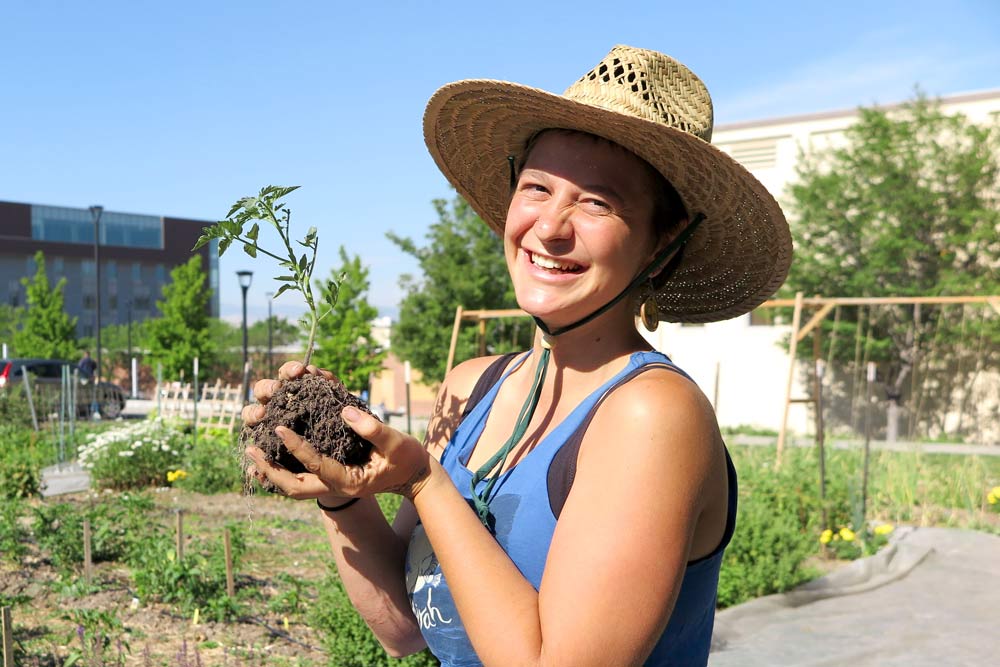
For nearly 30 years, Uof U students and volunteers have been planting, tending, and harvesting organic fruits, vegetables, and herbs as part of the university’s Edible Campus Gardens program, which the Office of Sustainability Education (formerly the Sustainability Office) oversees. The produce supports the Feed U Pantry, while the gardens serve as a living, learning laboratory where students and instructors can develop sustainable gardening practices and conduct research.
Dr. Fred Montague, a professor emeritus for biology, established the first of three gardens in 1996 near the Sill Center. Today, the Sill Garden produces most of the university’s fruits, and some row crops and herbs.
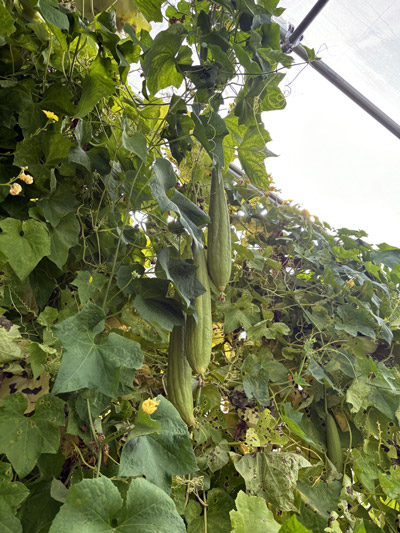
Nuh Eevaat, which sits between Pioneer Memorial Theatre and the Eyring Chemistry Building, is the largest garden and primary outdoor classroom. It features most of the university’s row crops, composting operations, a hoop house, accessible raised garden beds, and a Monarch butterfly waystation.
The BU C garden, near the Business Classroom Building, is designed to attract and support pollinators like bees, butterflies, and hummingbirds. It features small planters that grow grapes.
Through 2019, produce was sold at the university’s fall Farmers Market and to campus dining services as part of the Real Food Challenge. In 2020, the gardens shifted to support food security efforts on campus. (College students experience food insecurity disproportionally, which means they are less likely to know where their next meal will come from and don't have enough food at all times of the year.) Now, all produce is given to students and the campus community, primarily through the Feed U Pantry.
Last year, the gardens served as outdoor classrooms for 10 departments. Seventeen sections held classes in the living labs 63 times, totaling 1,408 learning hours. In addition to student workers, 232 volunteers supported the gardens, contributing 670 hours of labor.
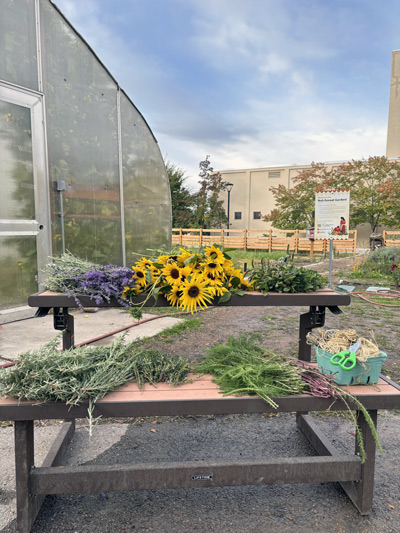
Flowers and more harvested in Nuh Eevaat Garden.
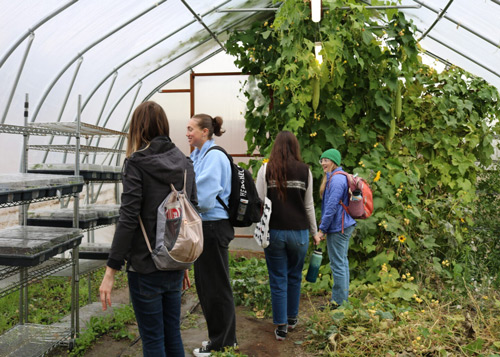
Students tour a greenhouse.
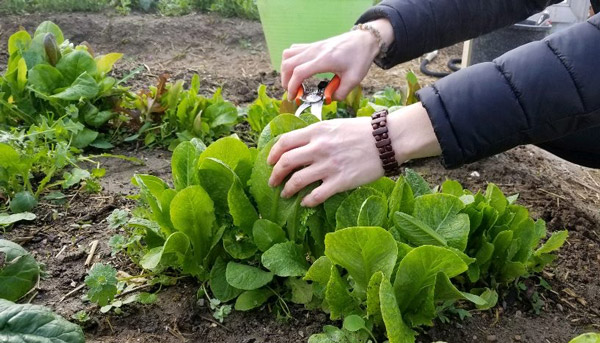
A garden worker harvests leafy greens.
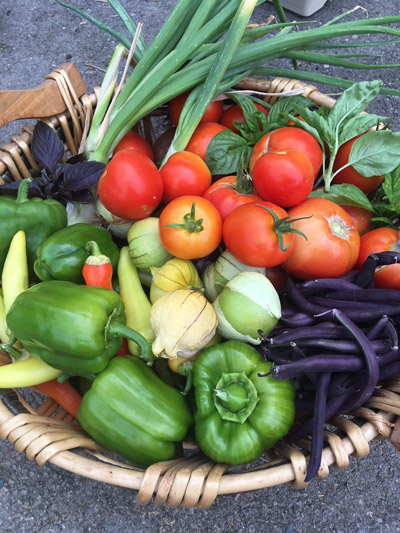
The gardens grow vegetables like basil, bell peppers, green onions, hot peppers, purple beans, tomatillos, and tomatoes.
Node 4
Our monthly newsletter includes news from UIT and other campus/ University of Utah Health IT organizations, features about UIT employees, IT governance news, and various announcements and updates.